RWE Design Build: Navigating Zoning Laws and Permits in Major Global Cities sets the stage for this enthralling narrative, offering readers a glimpse into a story that is rich in detail with casual formal language style and brimming with originality from the outset.
As we delve into the intricate world of zoning laws and building permits in major global cities, the complexities and challenges faced by RWE Design Build come to light, painting a vivid picture of the construction landscape in urban centers worldwide.
Overview of Zoning Laws and Permits
Understanding zoning laws and permits is crucial for RWE Design Build when undertaking projects in major global cities. Zoning laws dictate how land can be used and what can be built in specific areas, ensuring orderly development and protecting the community's interests. Permits, on the other hand, are legal documents that authorize construction activities, ensuring compliance with building codes and regulations.Impact of Zoning Laws on RWE Design Build Projects
Zoning laws can significantly impact the design and execution of RWE projects. For example, in a city with strict zoning regulations, the height or size of a building may be limited, affecting the project's scale and design. Zoning laws may also dictate the type of activities allowed in certain areas, restricting the use of the property for specific purposes. Failure to comply with zoning laws can result in costly delays, fines, or even the halting of construction activities.Role of Permits in Construction Projects
Permits are essential for construction projects in different cities as they ensure that the proposed work meets safety and quality standards. Building permits, for instance, are required to commence construction and are issued after a thorough review of the project plans. Other permits, such as electrical or plumbing permits, may be necessary depending on the scope of work. Securing permits can be a time-consuming process, but it is vital to avoid legal issues and ensure the project's successful completion.Navigating Zoning Laws in Key Global Cities
When it comes to navigating zoning laws in major global cities, it is essential to understand the unique regulations that each city has in place. RWE Design Build has encountered various challenges when adhering to these diverse zoning laws across different cities.New York
In New York City, zoning regulations are strict and complex, with different zoning districts and height restrictions in place. RWE Design Build faces challenges in obtaining permits for building projects due to these regulations. The city's zoning laws prioritize density and mixed-use development, requiring careful planning and compliance.Tokyo
Tokyo, on the other hand, has a more flexible approach to zoning laws, allowing for a mix of residential, commercial, and industrial developments in the same area. RWE Design Build must navigate the intricate zoning regulations to ensure that their projects align with the city's vision for urban development.London
London's zoning laws are known for their historic preservation requirements and strict height restrictions in certain areas. RWE Design Build faces challenges in balancing modern construction needs with the city's preservation efforts, requiring innovative design solutions to meet regulatory standards.Obtaining Building Permits
Obtaining building permits is a crucial step in the construction process that ensures compliance with local regulations and safety standards. The process can vary significantly depending on the city and region where the construction will take place.
Process of Obtaining Building Permits in Major Cities
When applying for building permits in major cities, the process typically involves submitting detailed plans and documentation to the local building department for review. This may include architectural drawings, engineering reports, and environmental impact assessments
- City officials will evaluate the proposed construction project to ensure it complies with zoning laws, building codes, and other regulations.
- Inspections may be required at different stages of the construction process to verify compliance with the approved plans.
- Once the application is submitted, the review process can take several weeks to several months, depending on the complexity of the project and the workload of the building department.
Common Requirements for Building Permits in Different Global Regions
While specific requirements may vary, some common requirements for building permits in different global regions include:
- Proof of ownership or authorization to build on the property.
- Detailed construction plans prepared by a licensed architect or engineer.
- Evidence of compliance with environmental regulations and impact assessments.
Strategies for Expediting the Permit Approval Process
Expedited permit approval can help speed up the construction timeline and reduce costs. Some strategies for expediting the permit approval process include:
- Engaging with the building department early in the planning stages to address any potential issues proactively.
- Hiring a permit expeditor or consultant who is familiar with the local regulations and can navigate the permit process more efficiently.
- Ensuring that all required documentation is complete and accurate to avoid delays in the review process.
Compliance and Risk Mitigation
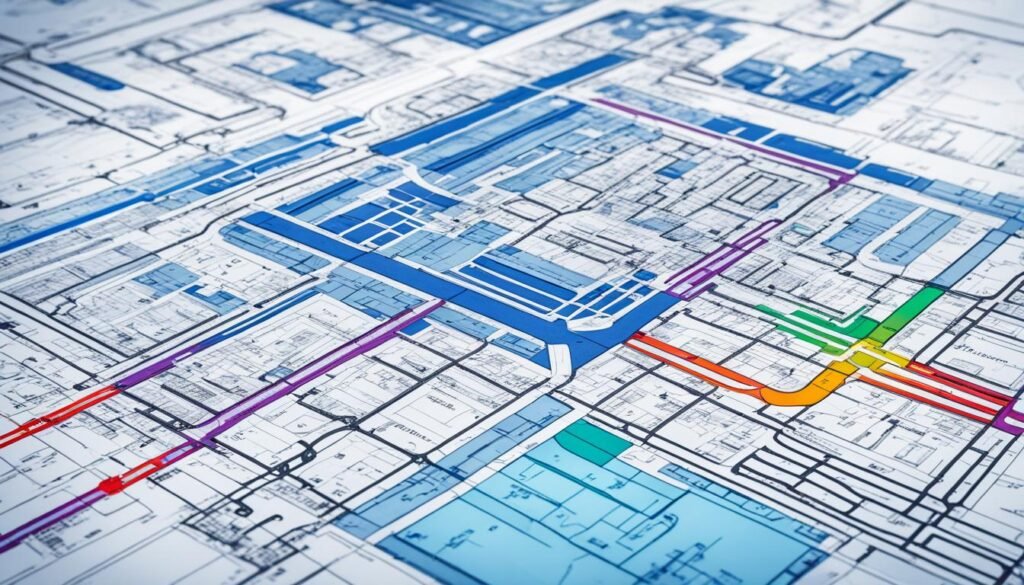 Compliance with zoning laws is crucial for any construction project to avoid legal consequences and financial setbacks. Non-compliance can result in fines, stop-work orders, or even demolition of the structure, leading to significant delays and additional costs. To mitigate these risks, RWE Design Build implements a proactive approach to ensure adherence to zoning regulations from the initial planning stages to project completion.
Consequences of Non-Compliance
- Hefty fines imposed by local authorities
- Stop-work orders halting project progress
- Potential legal battles and lawsuits
- Risk of demolition of non-compliant structures
Risk Mitigation Strategies
- Thorough research and analysis of zoning laws in each city
- Engagement of legal experts to ensure compliance
- Regular communication with local authorities for updates
- Implementing a robust monitoring system for ongoing compliance
Best Practices for Ensuring Compliance
- Develop a comprehensive understanding of zoning regulations in each city
- Proactively seek permits and approvals before starting construction
- Maintain open communication with local zoning officials
- Regularly review and update plans to align with zoning laws
Outcome Summary
In conclusion, RWE Design Build: Navigating Zoning Laws and Permits in Major Global Cities underscores the critical importance of legal compliance and strategic planning in construction projects across diverse urban environments. By understanding and navigating the intricate web of zoning laws and permits, RWE Design Build continues to pave the way for innovative and sustainable development in major global cities.
Expert Answers
What are some common challenges faced by RWE Design Build when dealing with varied zoning laws in different cities?
RWE Design Build often encounters issues related to zoning restrictions on building heights, land use regulations, and density requirements, which can impact the design and feasibility of their projects.
How can RWE Design Build expedite the process of obtaining building permits in major global cities?
RWE Design Build can streamline the permit approval process by maintaining transparent communication with local authorities, ensuring all necessary documentation is in order, and proactively addressing any potential compliance issues.
What are the consequences of non-compliance with zoning laws for RWE Design Build projects?
Non-compliance with zoning laws can result in costly delays, legal penalties, and even project shutdowns, posing significant risks to RWE Design Build's reputation and financial stability.